
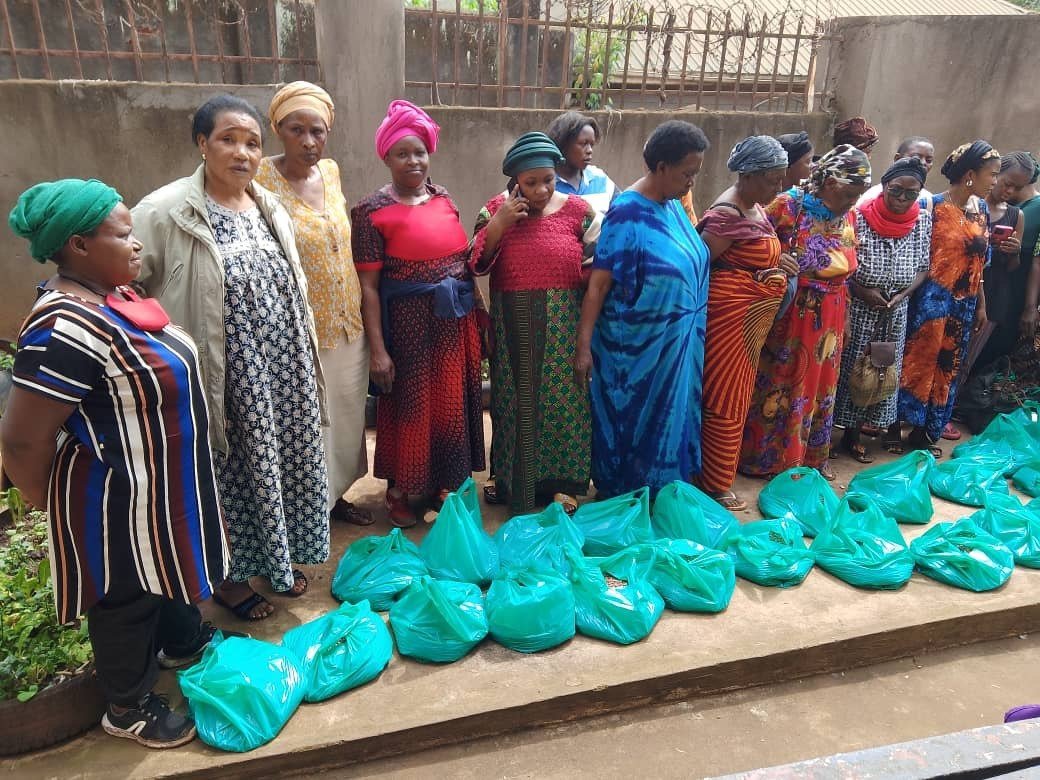
In humanitarian conversations, food, shelter, and medical aid often dominate the narrative. Hygiene, something as simple an item as washing powder, rarely holds the same level of attention. Yet, in refugee communities across Uganda, a recent initiative by the Association of Refugee Women in Uganda (AORW-U) shows that something as ordinary as washing powder can have implications way deeper than it may carry at a glance.
Refugees in Uganda face daily survival, gender role challenges, and the invisible trade-offs families are forced to make.
The AORW-U carried out a large-scale distribution of powder washing soap (OMO). In total, 3125 kilograms of powder washing soap were disbursed, and it reached 655 refugee households whose hygiene conditions were questionable. These figures reflect changes in how families manage limited resources.
“The Association of Refugee Women in Uganda (AORW-U) would like to extend its heartfelt gratitude to our donors this generous donation of washing powder, which has greatly contributed to the well-being of the refugee community.” The organization expresses its appreciation.
That contribution goes beyond surface-level impact, because every drop in the ocean counts.
Hygiene as a Daily Responsibility Carried by Women
Within refugee households, hygiene is not evenly shared work. It is largely managed by women, who are responsible for maintaining cleanliness even when resources are scarce. The report directly acknowledges this, noting that the initiative “highlighted the importance of simple but essential hygiene support for refugees, especially women, who often bear the burden of maintaining household health under difficult conditions.”
This burden shapes everyday decisions.
When soap is limited, families must prioritize. A mother may delay washing clothes, stretch supplies, or re-prioritize expenses meant for hygiene. Maybe they will have to spend it on food instead. These are necessary compromises, which are bound to affect health and living conditions over a period of time, if they go unnoticed and uncatered for.
The intervention by AORW-U addressed this pressure point directly. By providing washing powder, it reduced one recurring concern for households already working under strain.
Reaching Communities through Interventions
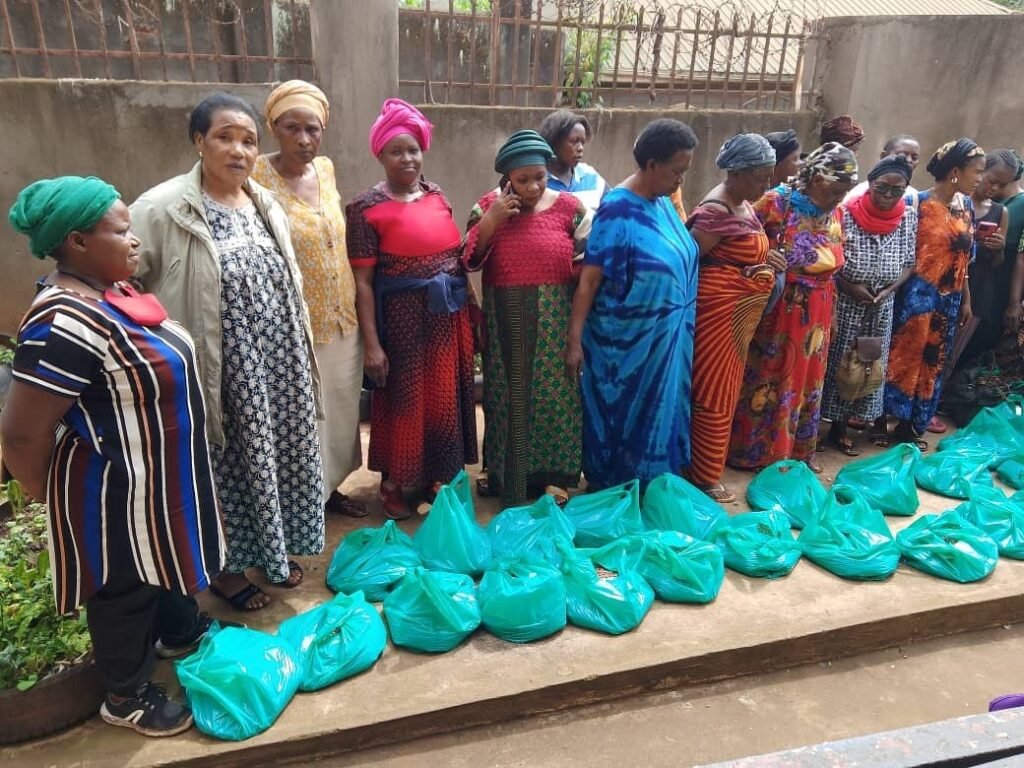
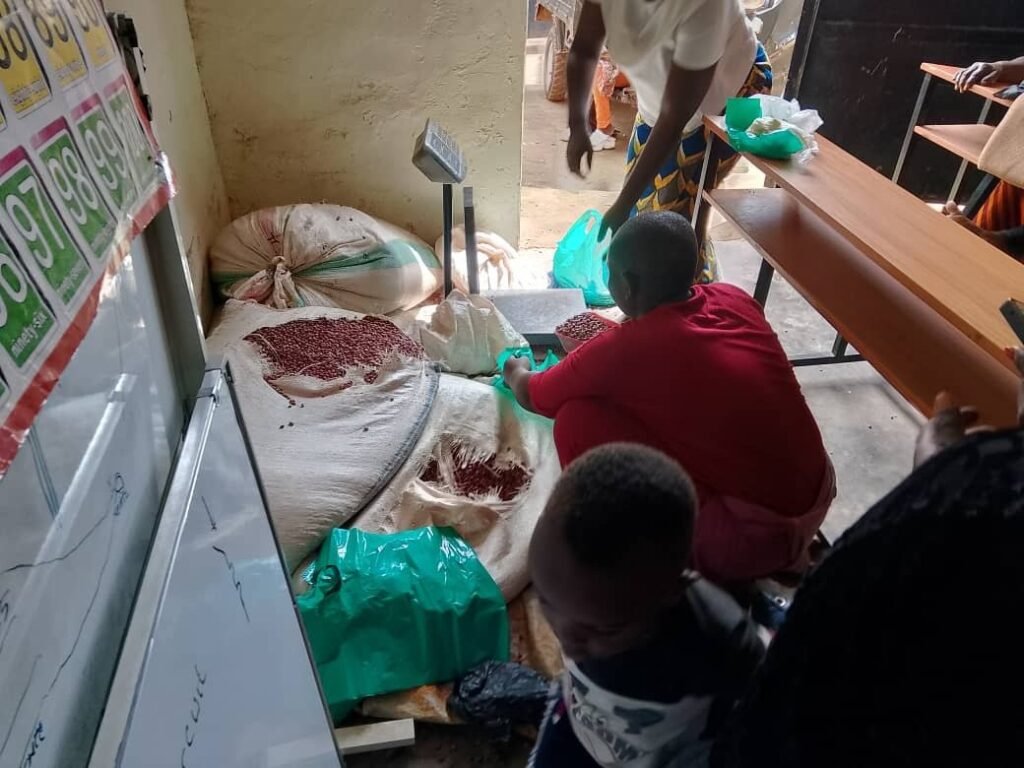
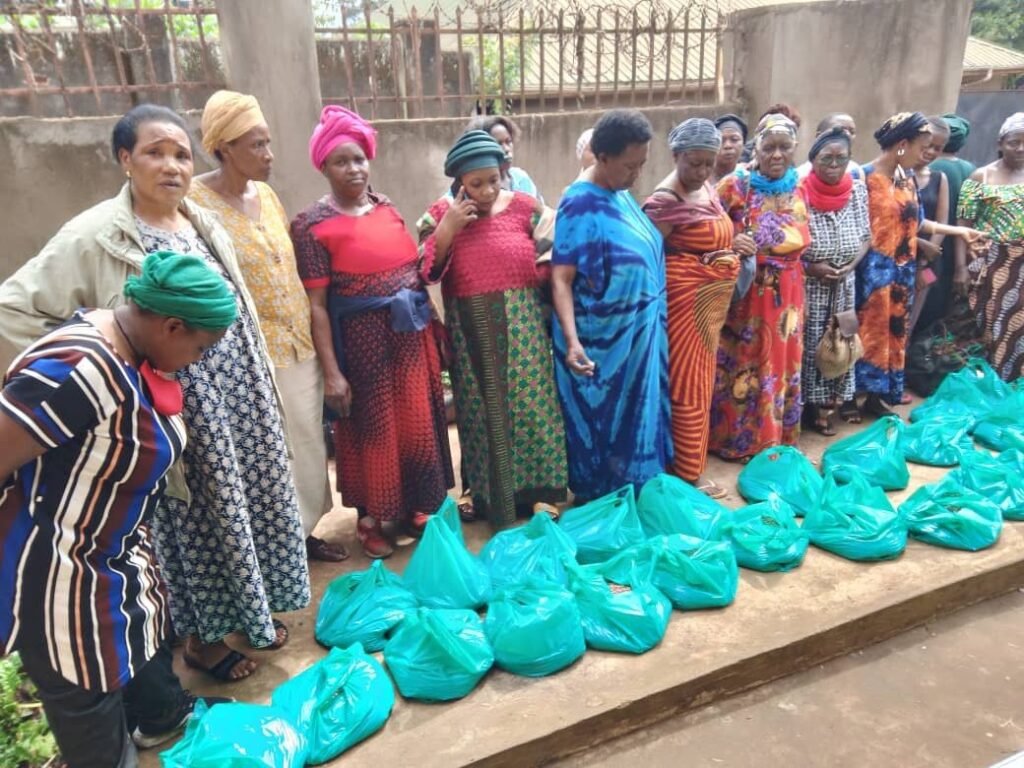
The distribution was structured in phases, to make sure that it reflects both scale and coordination. The activity targeted 400 refugee families from the Congolese, Somali, Sudanese, and South Sudanese communities from March to April, and 255 refugee households from June to July.
This approach shows a consideration of the diversity within refugee populations in Uganda. These communities differ in language, culture, and displacement histories, and they require thoughtful engagement to ensure fair access.
The AORW-U team was responsible for organizing, packaging, and distributing the washing powder to make sure it reached those most in need.
The real impact of this initiative becomes clearer when viewed through the lens of household economics. Aisha’s experience illustrates this shift, “When Aisha, a refugee mother received washing soap from AORW-U, she no longer needed to spend her small income on buying soap.” This change may seem minor from the outside, but within a limited budget, it creates space.
The money she saved went toward feeding her family and meeting other basic needs. Aisha captures this timing clearly: “This support came at the right time,” she said. “It helped me put food on the table for my children.”
In refugee backgrounds, needs are not static. Costs fluctuate, income opportunities shift, and unexpected pressures arise. Providing help at a moment when households are stretched can significantly increase its effectiveness.
The response from the community reinforces the importance of relevance in aid. This matters because not all assistance has the same effect. When support is met with actual needs, it creates a form of safety, which can be a soft launchpad for the refugees.
From One-Time Support to Long-Term Planning
Refugees are susceptible to change. As displacement disrupts routines and stability, maintaining basic hygiene can help restore a sense of order. Clean clothes, organized living spaces, and access to essential supplies contribute to a more manageable daily life.
While the initiative had clear benefits, the recommendations highlight the need for continuity. The first recommendation is direct, ‘Increase the supplies in the future distribution’. This points to an unmet demand. If 655 households benefited, there are likely many more facing similar challenges.
The second recommendation suggests a structural shift. ‘Create a refugee hygiene support program’. A program means consistency, beyond isolated efforts, and more towards community assistance.
The third recommendation focuses on sustainability, engaging donors and other potential supporters for recurring or long-term contributions to sustain hygiene support for refugee communities. Long-term engagement from donors is necessary to maintain support and expand networks.
Rethinking Aid Priorities
Our donr’s contribution was central to this initiative. Without it, the distribution would not have taken place at this scale.
However, the recommendations indicate that relying on one-time donations is not enough. For consistent support, we need a network of contributors who are willing to commit over time. This does not diminish the value of individual contributions, it simply highlights the need to build on them. When donors engage repeatedly, their contributions can have more stable and far-reaching outcomes.
There is a tendency in humanitarian work to prioritize large-scale interventions – schools, hospitals, or infrastructure. While these are critical, they can overshadow everyday needs that directly affect daily living.
This initiative contributes to that balance. It shows that basic items, often overlooked, also call for attention. Washing powder may not seem significant, but in this context, it plays a role in health, micro-financial management, and household stability.
More importantly, it highlights a gap; one that can be addressed through practical and targeted support.
The recommendations are clear – expand supply, establish structured programs, and build long-term donor engagement. These steps are not complex, but they are necessary. And we hope to integrate more of these in our future interventions.