Access to safe drinking water remains one of the most urgent daily challenges for refugee households in Nakivale Refugee Settlement. For many families, water is not simply a basic need; it is connected to health, safety, dignity, protection, and the ability of women and children to live with fewer daily burdens.
A recent baseline assessment conducted by the Association of Refugee Women in Uganda among female beneficiaries in Nakivale revealed that many households depend on several water sources at the same time. While some families use tap or piped water, many also rely on unsafe sources such as surface water, rainwater, open wells, and boreholes.
This mixed use of improved and unimproved water sources exposes households to contamination and increases the risk of waterborne diseases.
The daily burden of collecting water
The challenge is made worse by the time and effort required to collect water. Many women and children spend between 30 minutes and one hour per trip searching for water.
This daily burden reduces time for income-generating activities, education, childcare, rest, and other household responsibilities. Children, especially girls, are often involved in water collection, placing them at risk and raising serious protection concerns.
Why treatment remains inconsistent
Water treatment remains another major challenge. Although some households boil water, this method is not always consistent because it requires firewood, time, and energy.
Some families do not treat their water at all, either because they cannot afford the cost of boiling or because they believe treatment is unnecessary. As a result, unsafe water continues to affect household health.
The survey found that many households had recently experienced water-related illnesses, including stomach pain, diarrhea, and typhoid.
These illnesses are preventable, yet they continue to affect families because safe water solutions are still limited. Even where water is stored in closed containers, contamination can still occur through unsafe sources, poor handling, or dipping practices.
For refugee women, the water crisis is both a health issue and a gender issue.
The burden carried by women
Women are often responsible for collecting, storing, treating, and managing water at household level. When safe water is not available, women carry the burden of caring for sick children, spending extra time collecting water, and finding ways to protect their families from disease.
A practical household-level response
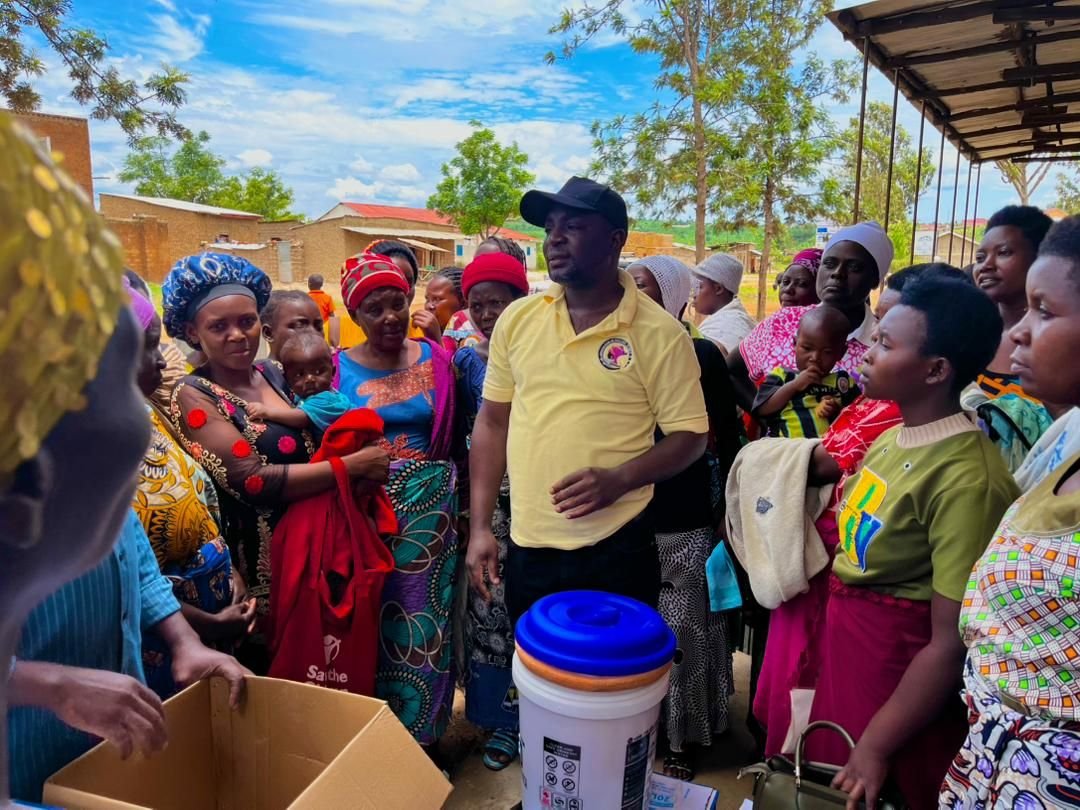
AORW-U’s planned household water filter intervention responds directly to these challenges. Water filters can help families access safer drinking water at home, reduce reliance on boiling, lower household exposure to waterborne diseases, and ease the burden on women and children.
However, providing filters alone is not enough. Communities also need training on filter use, maintenance, hygiene, safe storage, and the importance of consistent water treatment.
Building healthier and safer households
The baseline findings clearly show that improving access to safe water in Nakivale requires practical, household-level solutions combined with community education and follow-up support.
By addressing unsafe water sources, treatment barriers, and knowledge gaps, AORW-U aims to support healthier, safer, and more resilient refugee households.